











Matched motorsport radio systems for NZ and Australia
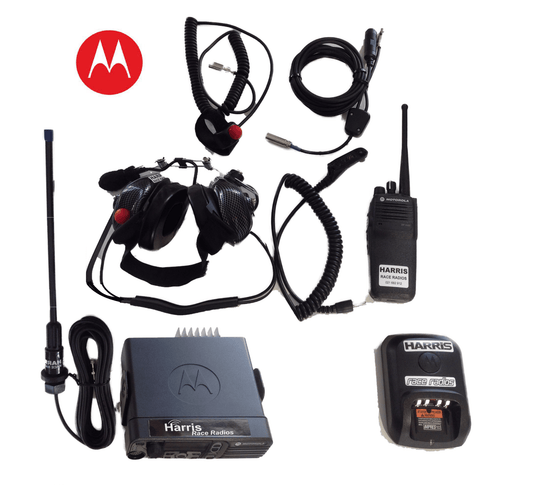
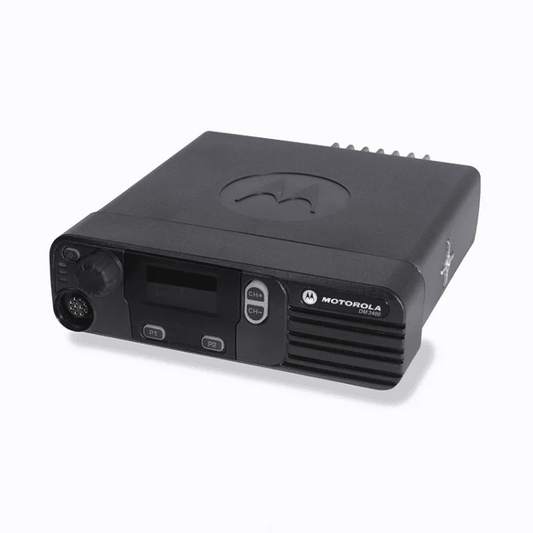
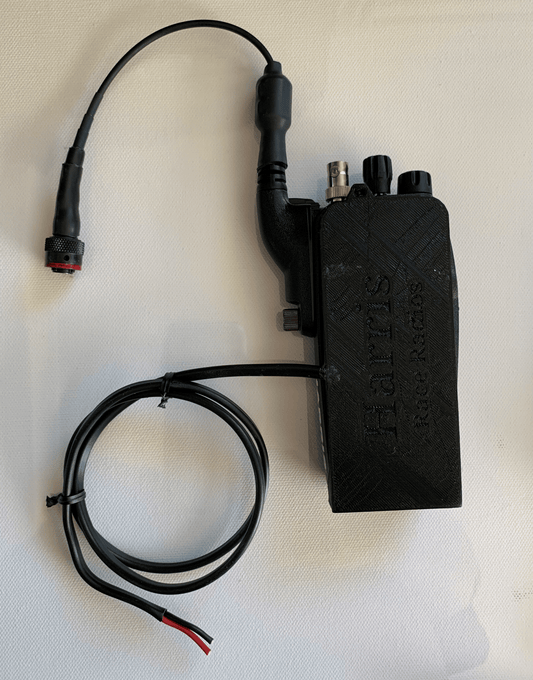
Build a system around the driver, vehicle and racing discipline, not just a pair of radios. Harris Race Radios™ helps teams match pit-to-car radios, race-control reception, driver helmet audio, crew headsets, intercoms and installation components. Clear instructions can help protect people and expensive machinery while keeping the team coordinated. For individual radios and replacement parts, browse Radios & Accessories.
Shared CB or private licensed radio?
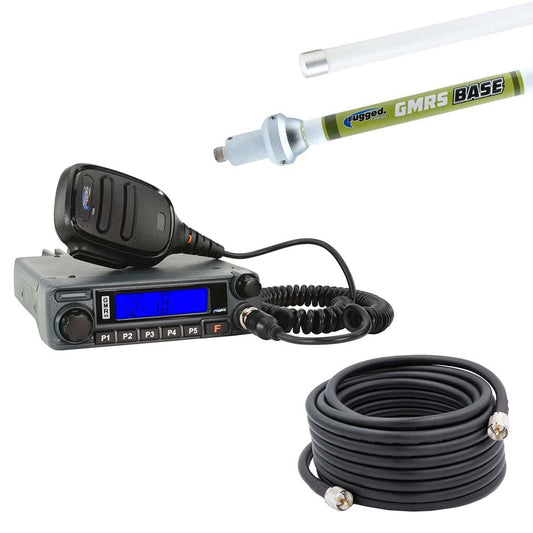
CB channels are shared, not reserved for your team. Suitable locally compliant CB equipment can be used without an individual licence application, under the applicable general or class licence conditions. Other lawful users, including stop/go traffic workers and construction workers, may use the same channels. You cannot demand that another lawful user leave a shared CB channel simply because you are racing.
Private licensed radio systems use authorised frequencies under specific licence conditions rather than open shared CB channels. The licence sets the operating area, technical conditions and any protection or exclusive-use arrangements. If your team needs a planned private channel arrangement, discuss it with Rex before choosing the radios.
RSM regulates radio licensing in New Zealand and ACMA regulates it in Australia. Radio certification and licensing are part of Harris Race Radios™'s specialist work, alongside selecting, programming and installing equipment. We help plan the appropriate process for your country, venue and intended use.
Circuit racing: a timely radio call can save more than a pit stop
The pit crew may see a fluid leak, flat tyre, loose panel or fire that the driver has not noticed. A simple, intelligible call to pit or box can help avoid an expensive engine failure or loss of the whole car. Two-way communication also lets the driver report problems and the crew coordinate strategy, pit stops and endurance driver changes.
Include one-way race control in the two-way radios
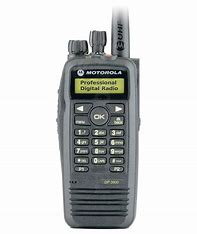
Circuit racers need the officials' one-way race-control reception incorporated into their two-way pit-to-car radios. We plan both functions together: driver-to-pit communication and a separate listen-only channel for officials' instructions. The radio model and configuration must suit the event's requirements. Competitors must not transmit on the listen-only race-control channel.
In New Zealand, the one-way race radio system carries messages from race officials to competitors, teams and officials over dedicated licensed frequencies. Harris Race Radios™ has helped introduce these systems at speedway and motorsport tracks around NZ and holds one of the licences used for this purpose. In Australia, this function is known as the Race Management Channel (RMC). Provide your event's required frequency and channel information when planning the system.
Dedicated receivers such as Nitro Bee serve one-way race-control reception in relevant applications; they are not two-way crew radios. MYLAPS transponders provide lap timing, a separate function from receiving officials' voice instructions. Neither function should be confused with the driver–pit radio link.
Rally and off-road: clear navigator instructions are essential
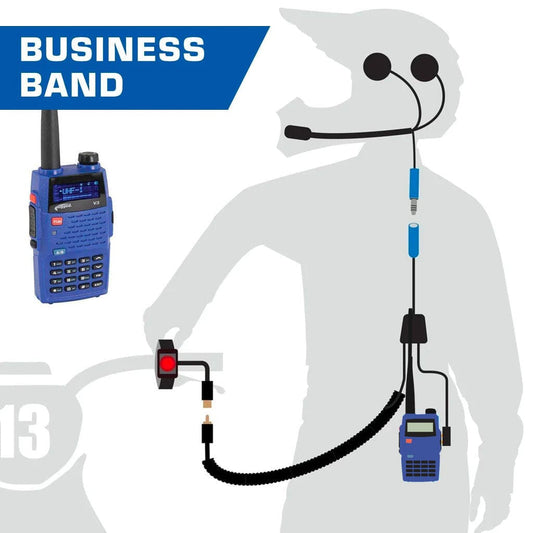
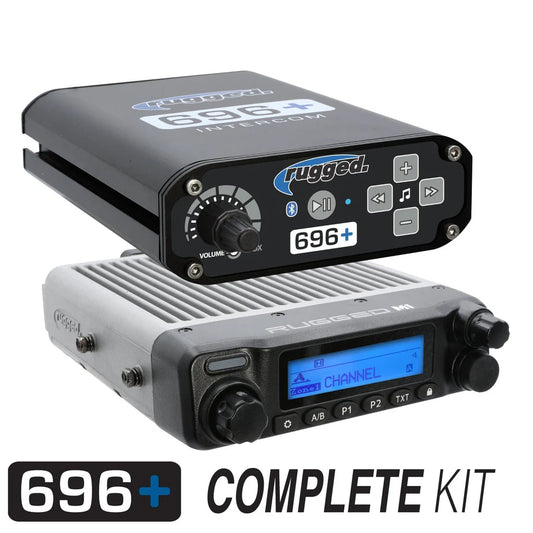
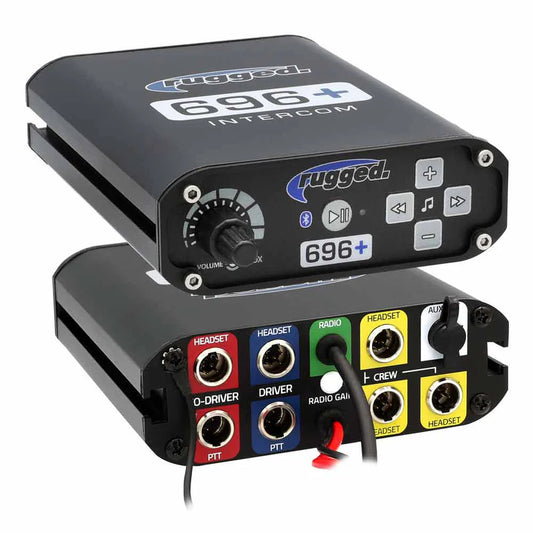
A driver must be able to understand the navigator or co-driver in a noisy vehicle. Choosing an intercom by brand or plug shape alone is not enough. We match the intercom, helmet microphones, speakers or earpieces, wiring and connections to your discipline and environment. If you also need a two-way radio link to support crew, we plan that alongside the intercom rather than treating the two as interchangeable.
Other racing and operational communications
- Drifting: an observer can relay information about the other driver's run, including an incomplete run, helping the driver avoid unnecessary risk. The use of communications and any resulting tactics must follow the event's rules.
- Off-road buggies and vehicles: identify whether you need to reach pit crews, officials, other competitors or recreational vehicles, then match the equipment and permitted channels.
- Powerboats, jet sprints and hydroplanes: boat-to-shore communication supports driver and boat safety, assistance and coordinating recovery or return to the trailer.
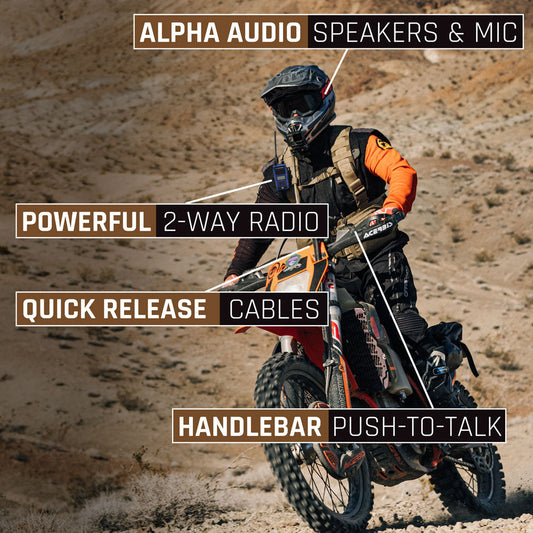
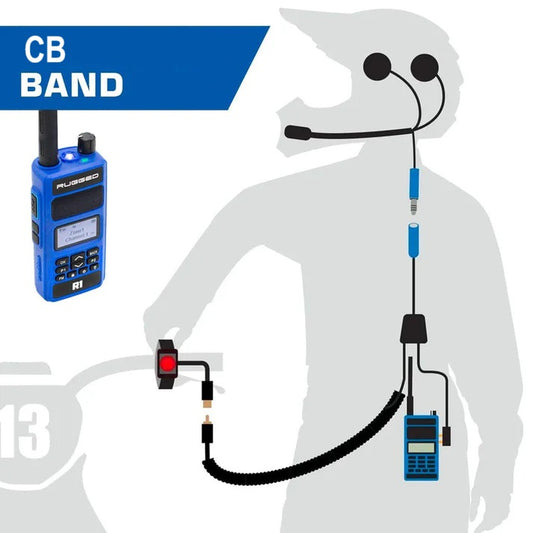
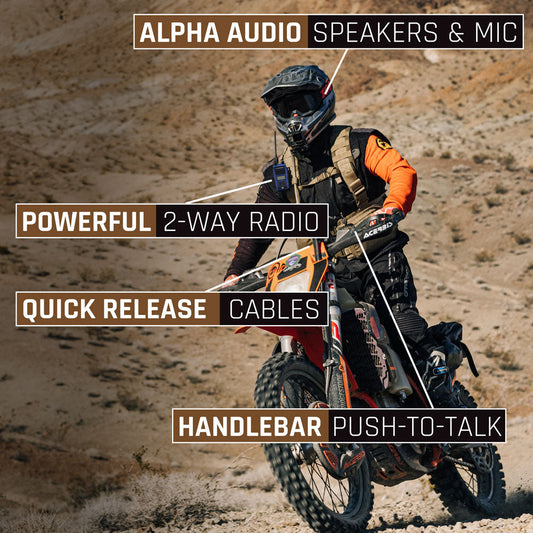
- Motorcycle groups: choose communications for the riders and riding environment, distinct from a car's pit-to-driver installation.
- Event organisers: motorsport, motorcycle and speedway operations need communications linking officials, marshals and medics, separate from the competitors' radio plan.
The right helmet, not a helmet forced to fit
The helmet is the most critical part of the driver's communications system. We carry a broad choice of brands and models because racing types, head shapes and budgets differ. We select a helmet that fits correctly, suits the racing being done and respects the customer's budget, rather than trying to force an unsuitable helmet onto their head. We then match microphone position, earpieces or speakers, wiring and radio or intercom connections. Check the exact helmet's certification label and current category and event requirements as part of selection.
Engineering and racing experience behind the recommendation
Rex Harris is a degree-qualified radio electronics engineer, an Approved Radio Engineer and a New Zealand RSM Approved Radio Certifier, with motorsport communications experience dating from 1975. His additional qualifications include advanced telecom, colour TV and limited electrical certification. We use, install, engineer and repair the equipment we supply.
Aaron Harris is a race engineer in categories including Porsche Carrera Cup and endurance racing, and an MSNZ Licence Examiner. His driving achievements include a Barcelona 24-hour win, several NZ championships, numerous race wins and second in class at the Bathurst 1000. Charlie Harris races karts, works as a race engineer and is studying engineering at the University of Canterbury.
Plan your system before ordering
- People: tell us the number of vehicles, drivers and crew, including shared-car driver changes.
- Discipline and budget: explain the racing, noise environment, practical requirements and budget.
- Helmet and audio: identify existing helmet models, electronics, connectors and preferred earpiece or speaker arrangements.
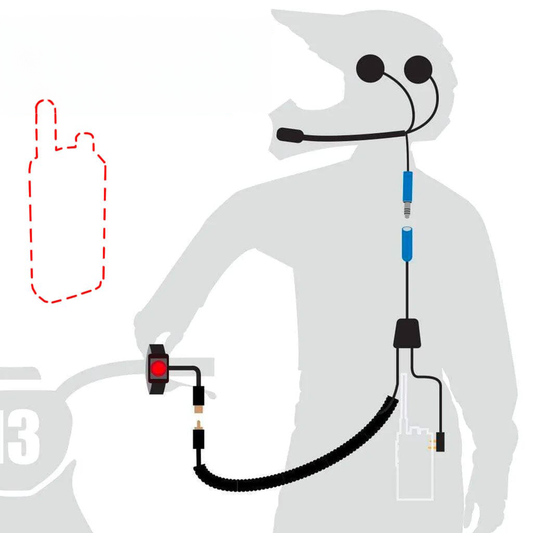
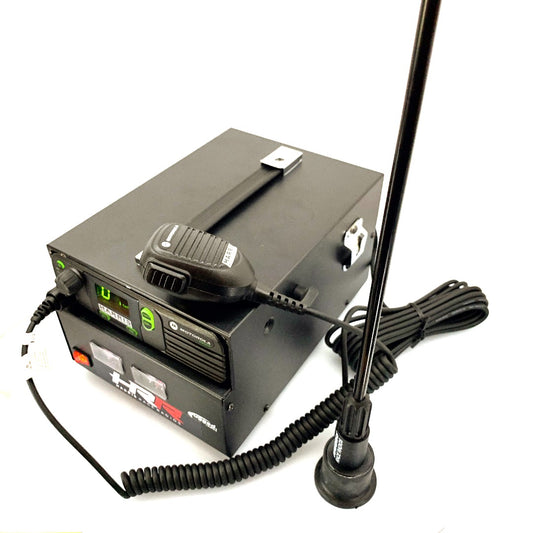
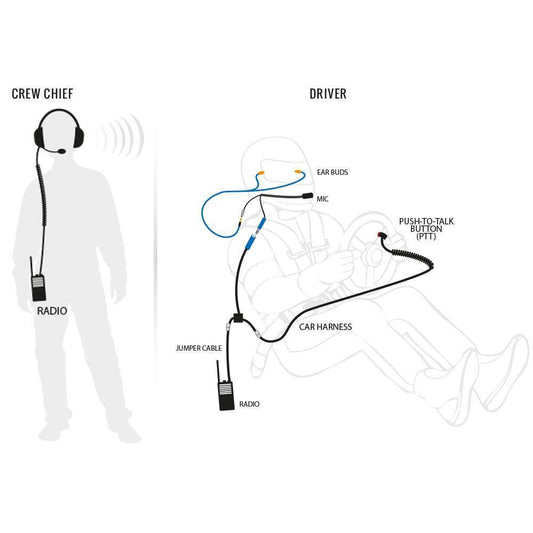
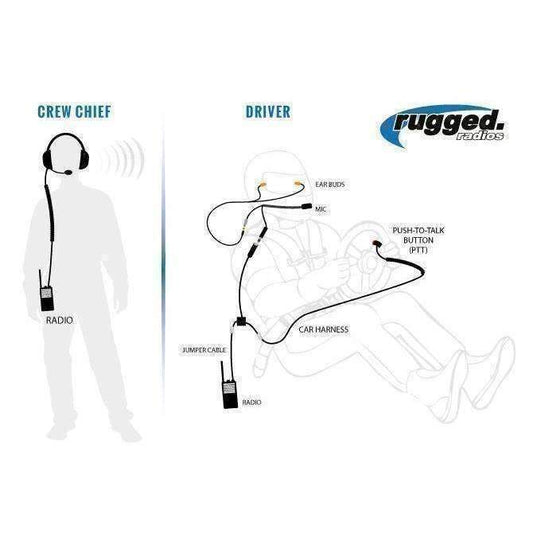
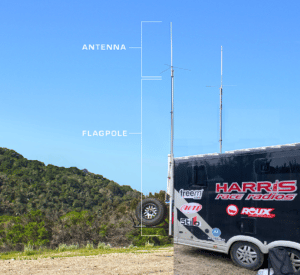
- Installation: match the radio, power supply, antenna position, harness, adapters and push-to-talk controls.
- Race control: include the circuit event's one-way channel requirement when selecting and programming the two-way radios.
Permitted frequencies, licensing and programming depend on country and event. Coverage depends on installation, antennas, terrain and the race environment. Do not assume an imported radio or an existing channel setting is suitable for NZ or Australia.
The whole driver, team and vehicle package
We also supply helmets, driving overalls, fireproof underwear, driver cooling and air systems, data acquisition and management, dashes and vehicle alignment equipment. Karting needs include dashes, data equipment, suits, gloves and helmets. Tell us about the wider requirement so communications can be planned alongside the equipment you actually use.
Check kit contents and get support
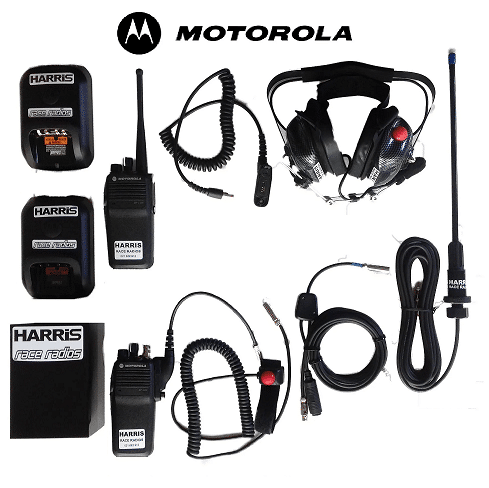
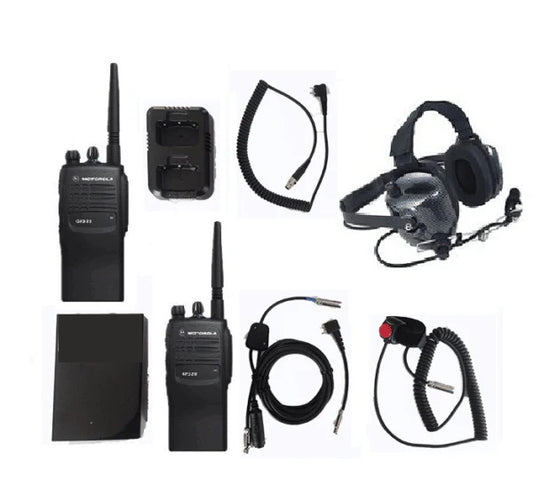
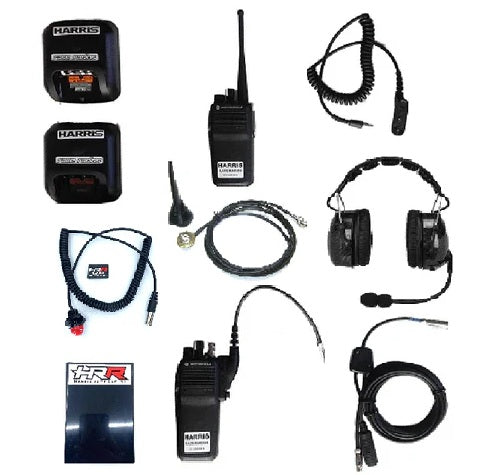
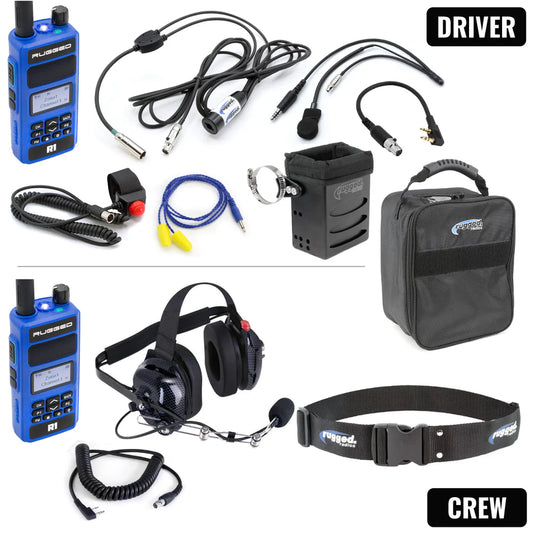
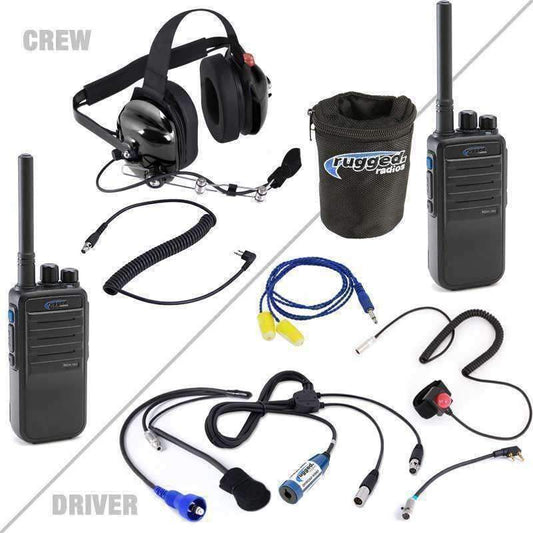
Read each listing before buying. Helmets, helmet electronics, speakers or earpieces, helmet adapters and radio licences are not included unless the individual listing explicitly states otherwise. A complete communications recommendation does not mean every related item is included in the advertised kit.
For system selection, expansion, repair or rental enquiries, contact Rex or Aaron. For existing equipment, send model details and connector photos so we can match the parts rather than guess. “It's the putting right that counts.”